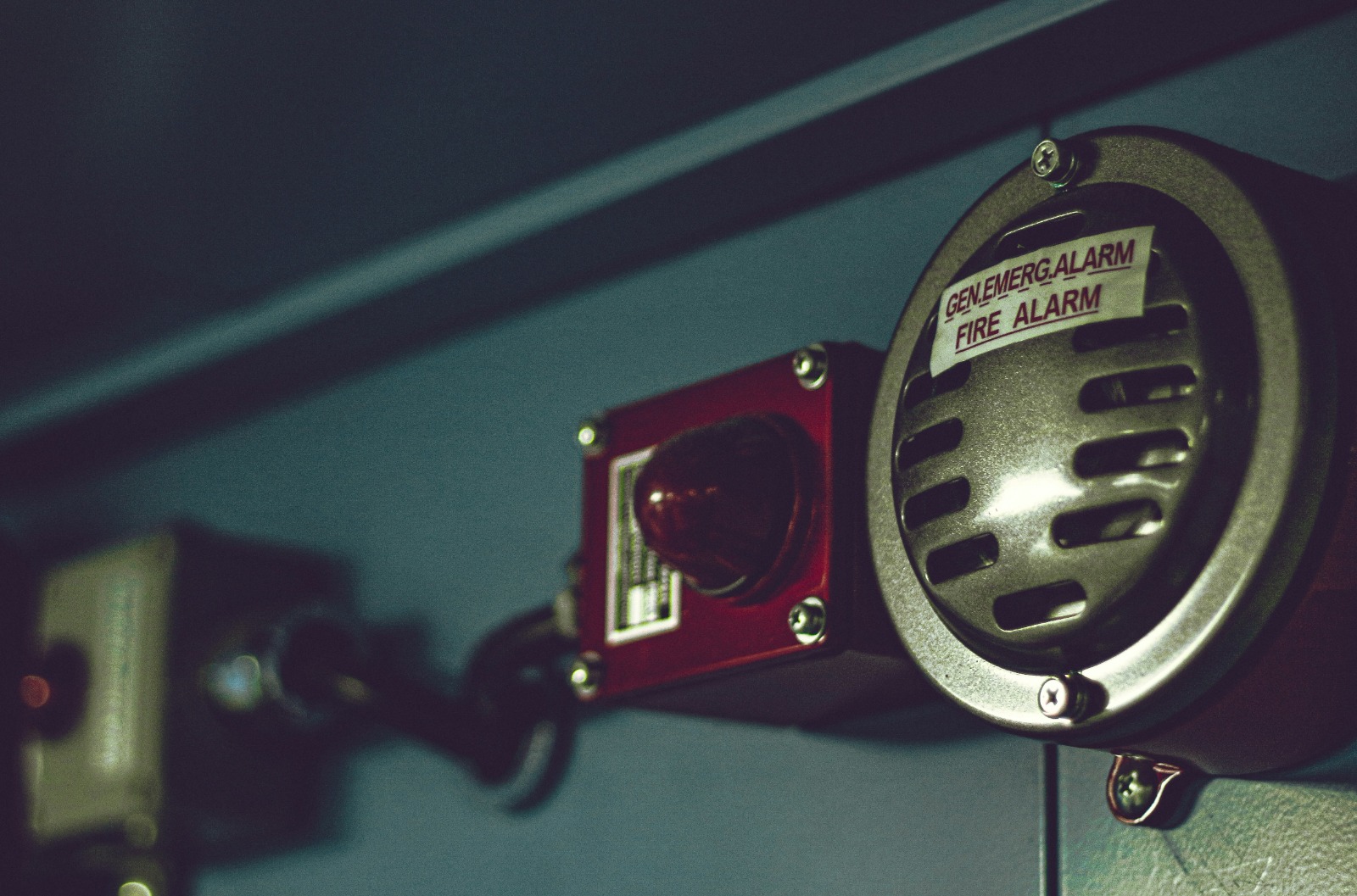
Fire Detection Across a Series: Protecting a World-Class Cruise Fleet
Standardizing fire detection architecture across four newbuild cruise vessels for consistent safety performance
Client
Leading European Cruise Shipyard
Location
Europe
Project Overview
When a shipyard commits to building a series of four sister vessels for the world's largest cruise operators, every system on board has to prove it can scale — not just perform well on a single ship, but repeat that performance flawlessly, hull after hull, over several years of construction.
For a series of four megaships built at one of Europe's leading cruise shipyards, I led the project for the fire detection system that was selected as the safety backbone for the entire newbuild programme. Each vessel carries thousands of passengers and crew across dozens of fire zones, from galleys and engine rooms to theatres, a new feature called promenade, and passenger cabins — environments with very different fire risk profiles and very different detection requirements.
Rather than treating each ship as a standalone installation, I worked with the yard to standardise the fire detection architecture across the class, built on the loop based SRtP platform. The modular design meant the same core platform could be configured differently for each vessel while sharing a common cabling philosophy, common addressable loop design, and a common operator interface on the bridge and in the fire control station. That consistency shortened commissioning time on each successive hull, as yard technicians and shipowner crews became increasingly familiar with the system.
Across the series, the installation combined addressable smoke and heat detectors, manual call points, and flame detectors in high-risk machinery spaces, all reporting to redundant fire panels networked throughout the vessel. Crew training was carried over from ship to ship, giving the ship owner confidence that the interface, alarm logic, and escalation procedures would be identical regardless of which vessel in the class they were serving on.
The result is a fleet where fire safety isn't just compliant — it's consistent. For an operator running multiple sister ships across global itineraries, that uniformity simplifies crew rotation, spares management, and long-term service planning, while giving passengers and crew the same level of protection on every vessel in the class.