Marine Engineering Consultant
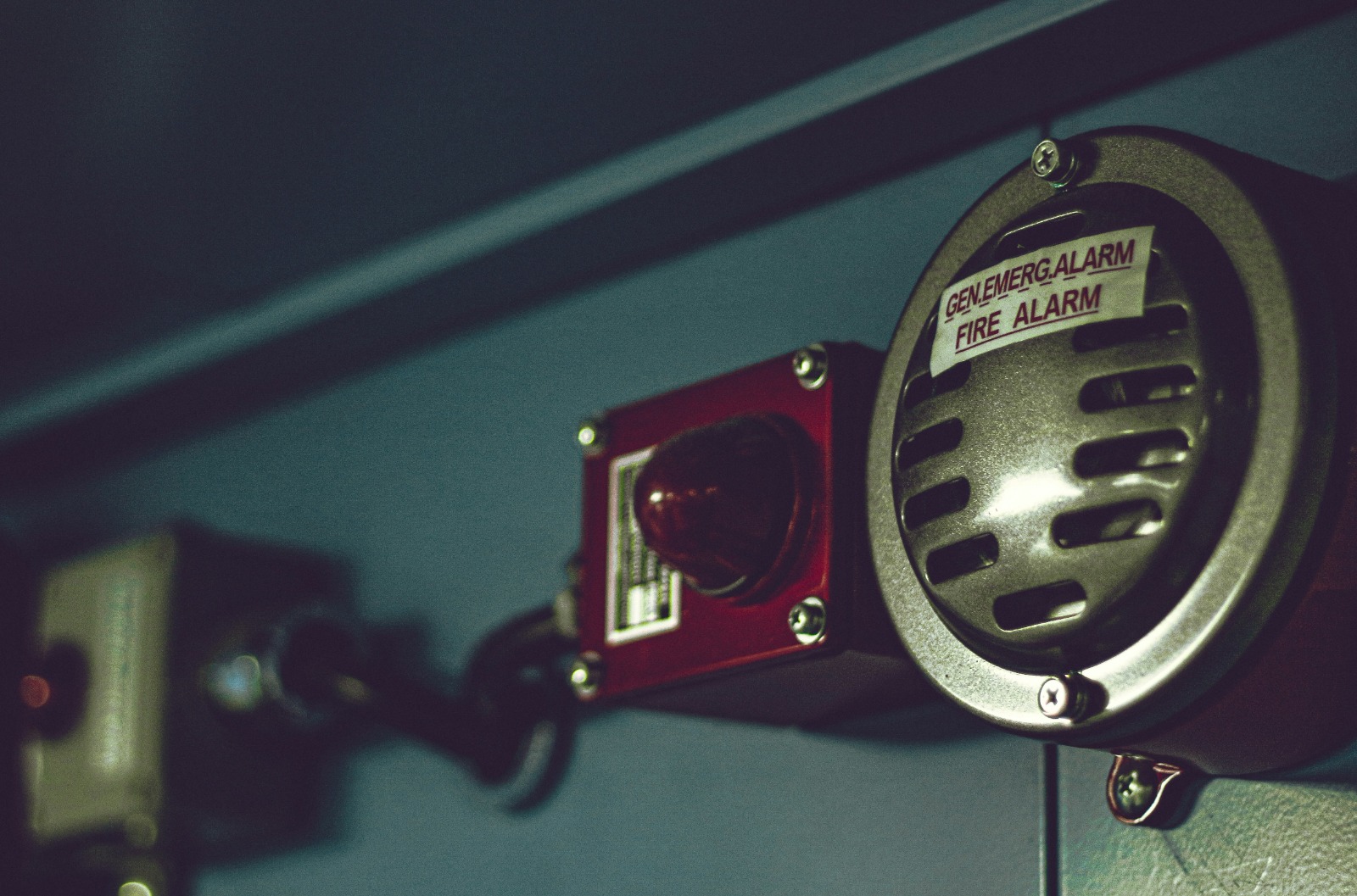
Fire detection design for marine applications differs meaningfully from land-based systems, because the operating environment — vibration, salt air, temperature extremes, and confined machinery spaces — changes which technologies actually perform reliably.
Vessel type drives detector selection more than people expect. Engine rooms need detection technology that tolerates heat, oil mist, and vibration without false alarms, while accommodation spaces call for smoke detection tuned for early warning without nuisance trips from cooking or steam.
Zoning strategy matters as much as detector choice. Poorly zoned systems either mask the true location of an event or trigger unnecessary vessel-wide alarms that erode crew confidence in the system over time. Zones should map to how the crew actually responds operationally, not just to compartment boundaries on a drawing.
Regulatory alignment is non-negotiable. SOLAS and class society requirements set minimum detection coverage and response times, but a design that only meets the minimum often under-serves the vessel's actual risk profile — particularly in machinery spaces with dense cabling or fuel systems.
Good fire detection design treats the vessel's operational reality as the starting point, then applies the regulatory framework as a floor to build from, not the entire specification.