Marine Engineering Consultant
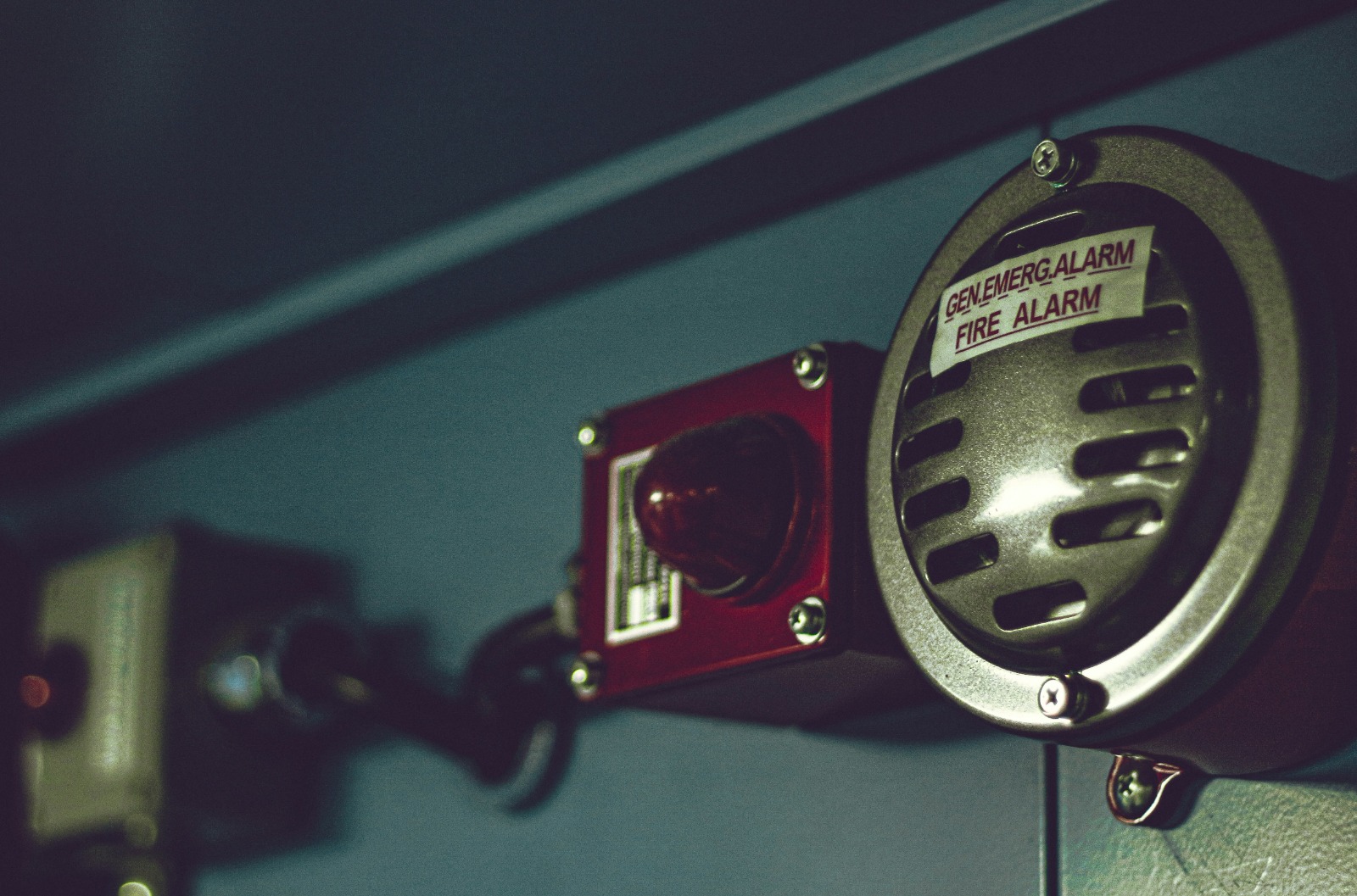
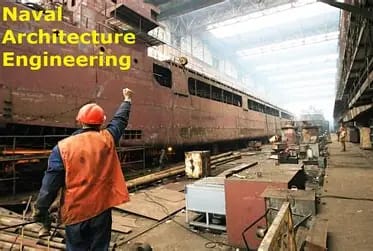
Wastewater treatment and fire & gas detection systems don't exist in isolation on a vessel — they're integrated into a hull and general arrangement that naval architecture principles shape from the earliest design stages.
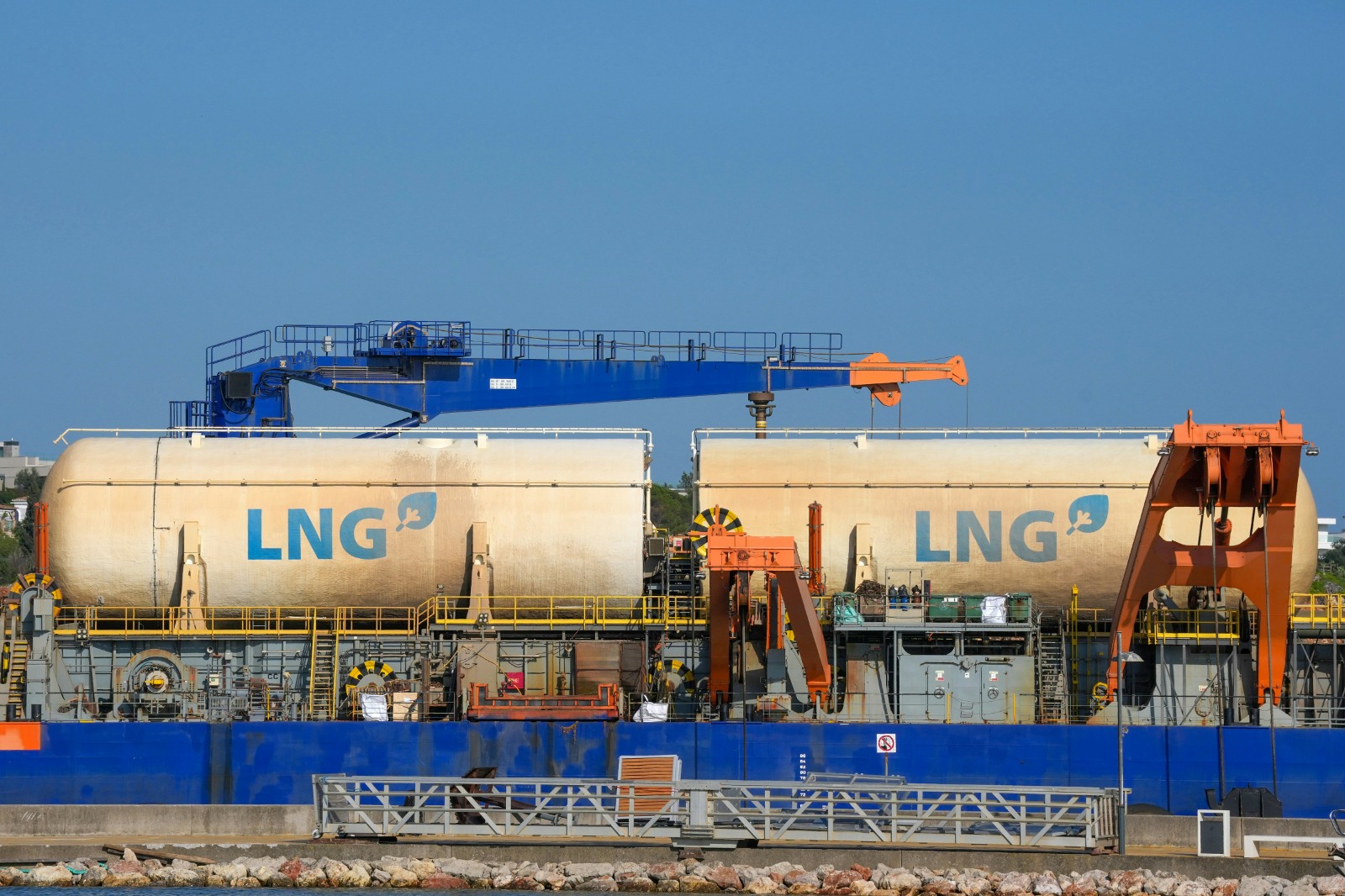
Weight and stability budgeting comes first. Treatment equipment, tankage, and detection wiring all add weight and shift the vessel's center of gravity. Integrating these systems late in the design process, after stability calculations are largely fixed, is a common and costly mistake.
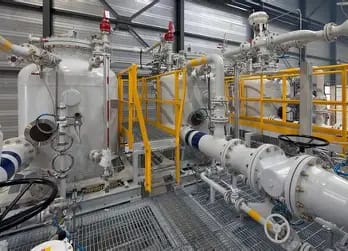
General arrangement drives system performance as much as the equipment specification does. Piping runs, tank placement, and detector zoning all depend on compartment layout, and a layout optimized purely for cargo or passenger space can quietly compromise system effectiveness.
Access and maintainability need to be designed in, not retrofitted. Systems that are difficult to reach for calibration, filter changes, or inspection get maintained less consistently in practice, regardless of how well they perform on paper.
The practical takeaway is that safety and treatment systems perform best when they're considered alongside the naval architecture from concept design, not bolted onto a finished general arrangement afterward.